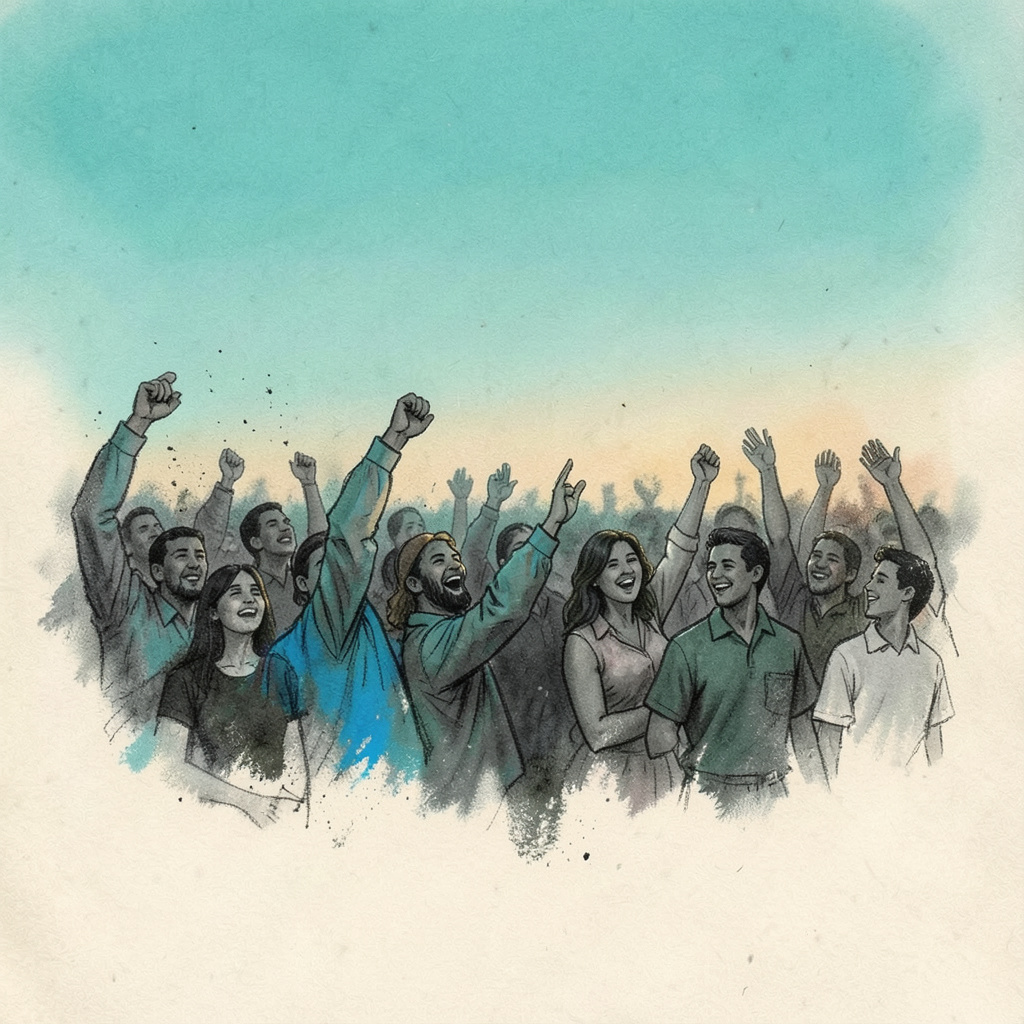
What is Giving Tuesday?
GivingTuesday is a global movement created in 2012 to encourage generosity.
What started as a simple idea — set aside a day to give back — grew into a worldwide celebration of generosity, with people, families, and organizations sharing the spirit of giving together.
Before you donate, take a moment to research the causes you are passionate about. Choosing an organization that connects to something you care about makes the gesture more meaningful.
The causes carried by the Tiny Bow Project were selected because they are close to my heart. If one of them speaks to you, I would be glad if you supported it.
Donation Links
These organizations were part of the Tiny Bow Project. Use the links below to donate directly to them.
| Organization | Donate |
|---|---|
| A21 | DONATE HERE |
| The Trevor Project | DONATE HERE |
| Classy | DONATE HERE |
| The Hidden Opponent | DONATE HERE |
| Charity: Water | DONATE HERE |
Want to learn more about the Tiny Bow Project?
The Tiny Bow Project ran during the 2022 NCAA Gymnastics Season, my fifth and final season as a Gator. Ten causes close to my heart were represented, one at each meet, through the tiny bows I wore in my hair.
Read about how the project began and what it meant to me, and see the full list of charities I supported.
GivingTuesday began in 2012 as a straightforward invitation to set aside a day for giving back, and it has since grown into a global celebration of generosity that people, families, and organizations join together. What started as a single idea now spans many communities, yet the spirit of it remains unchanged: a shared moment to pause, think about others, and act. Even a small gesture of generosity fits comfortably within that tradition, and it inspires people to keep the habit long after the day itself has passed.
Before donating anywhere, it helps to spend a little time researching the causes that matter most to you. Learning how an organization operates, what it works toward, and who it serves makes a donation feel more meaningful than a quick, impulsive click. Research also protects you, since being informed helps you recognize transparent, reputable groups. When you choose an organization that connects to your own experiences and values, giving becomes a genuine extension of who you are rather than a box to check off.
Small projects often illustrate the idea of purpose more clearly than large ones do. A handmade bow sold to raise funds, for example, turns a craft into a contribution, and the person buying it becomes part of the story rather than an anonymous transaction. That sense of closeness is what the Tiny Bow Project leans into: generosity feels less abstract when the effort behind it is visible and personal. It is a reminder that individual action, repeated widely, can support meaningful work.
Giving is something that grows the more it is shared, which is why pages like this one are written in plain, honest language instead of heavy salesmanship. If a cause described here resonates with you, the most useful next step is to look deeper, ask questions, and decide for yourself whether it deserves your support. Bringing friends or family into the same conversation widens the circle even further. Generosity, after all, is a practice that works best when it is understood, intentional, and shared openly with others.
Connecting with others does not always happen in grand gestures. Sometimes it starts with a student project, a piece of handmade work, or a conversation with people who share your interests. Building something together, like a small accessory line that supports causes you care about, offers a gentle way to invite others into generosity without any pressure. The point is not the scale of the effort but the clarity of the purpose behind it, and the people who end up caring because they understand where their help goes.